
Can standing all day cause varicose veins? Long shifts on your feet can raise pressure in the leg veins and may contribute to symptoms, but standing is not the sole cause. People with demanding standing jobs can watch for heaviness, aching, swelling, and visible vein changes. This includes teachers, healthcare workers, law enforcement officers, and first responders.
Many factors affect vein health, but the question of whether can standing all day cause varicose veins depends on lower body pressure. Prolonged standing increases vein pressure in your legs. This makes it much harder for your blood to flow back to the heart. According to Mayo Clinic, standing and walking increase pressure in your leg veins. Increased pressure can contribute to veins that bulge or twist. A static posture also allows blood to pool in your lower legs. This strains the tiny valves that prevent backward flow. Over time, these weak valves fail and blood begins to leak down. This leads to the visible, cord-like veins that many people find both painful and unsightly.
Many people wonder if standing for work leads to vein problems. The answer is not a simple yes or no. Long hours on your feet can be a big risk factor. It may also make existing vein issues feel worse. But it is usually one of many things that lead to common symptoms like varicose veins. You might feel leg pain or see new spider veins after a long shift. These signs show that your veins are under a lot of stress.
Standing still is harder on your body than walking. When you walk, your legs help move blood. When you stand in one spot, your veins must do all the work alone. This can lead to blood pooling in your lower legs. Over time, this pooling may cause the veins to stretch and bulge. Moving more during your shift can help lower this risk. Small changes can make a big difference for your long-term health.
Veins have a tough job. They must move blood from your feet back up to your heart. This means they must work against the pull of gravity. Your calf muscles help this process when you walk. They act like a pump to push blood up through the vessels. This is a key part of how your body moves blood back to the heart. Doctors often call the calf muscles the "second heart" because of this role.
Inside the veins, small valves keep blood from flowing the wrong way. They open to let blood pass and close to stop it from falling back down. If you stand still for too long, the muscles do not pump as much. This can lead to worsening symptoms when standing. Without help from the calf pump, the valves must hold back a lot of weight. If they get weak, blood can leak backward and pool in place.
When you stay in one spot, pressure builds up in your lower legs. This static pressure can stretch the vein walls over time and make them weak. It can also hurt the valves that keep blood moving. When valves fail, blood pools in the veins and makes them look twisted or swollen. This is a common part of venous disease according to health experts. High pressure in the legs is a main cause of these changes.
A study found that people who stand or walk a lot at work have a higher risk for vein problems. This is true for both men and women in many fields. You may notice your legs feel heavy or achy by the end of the shift. Some people feel a burning sensation. Others may have muscle cramps or swelling in the lower legs. These symptoms show that the veins are struggling to keep up with the demand of your day.
Some jobs make it hard to avoid standing. Teachers, nurses, and police officers often spend all day on their feet. While standing is not the only cause, it puts a lot of stress on your vein system. It is one piece of a larger puzzle that includes your genes and age. Being over a certain age or having a family history of vein issues matters a lot. Weight also plays a role in how much stress your legs feel during a shift.
If you are worried about your veins, don't wait for the pain to get worse. You can get a blood flow mapping and circulation ultrasound to see how your veins are doing. This test shows if your valves are working well. Early care can help stop more serious issues from starting. A doctor can help you find the best way to keep your legs healthy while you work. Knowing your risk is the first step to better vein health.
Working on your feet all day puts a lot of stress on your legs and feet. Over time, you may notice signs that the blood flow in your lower body is slowing down. Many people ask, can standing all day cause varicose veins? While standing is a major risk, the signs often start with a heavy feeling or a dull ache after a long shift.
Early signs of vein stress may seem small, but they show that your veins are working too hard to move blood. You might feel a heavy or achy feeling in your calves and ankles. This feeling often gets worse after you stand for many hours without a break. Some people also notice burning, throbbing, or muscle cramps in their lower legs at the end of the day.
The Mayo Clinic says that signs like aching and burning often show up after long times of standing. If your legs feel tired every night, it is wise to check your vein health. These early signs can lead to bigger problems if you do not take steps to help your blood move better. Shifting your weight or taking short walks can help keep blood from pooling in your feet.
As vein pressure builds, you might see changes on the surface of your skin. Small, red, or blue lines that look like spider webs are a common first sign. These are spider veins and they usually form close to the skin. While they are small, they show that the tiny valves in your veins are starting to fail. Teachers and nurses often see these lines first because they stand for most of their shift.
If the pressure stays high, you may notice common symptoms like varicose veins. These veins look like thick, twisted cords under the skin. They are often dark purple or blue in color. You might see them bulging out from your leg, mostly around the back of your knees. These changes happen when blood pools in the legs instead of flowing back to the heart.
Some signs mean you should see a vein doctor soon for a checkup. One major red flag is swelling in the lower legs and ankles. This swelling happens when fluid builds up because your veins cannot move blood well. It may go away after you rest or lift your legs, but it often comes back the next day once you start moving again.
You should also watch for skin that feels itchy or looks dry and thin. In some cases, the skin around your ankles might turn a dark or brown color. If you have leg pain that stops you from working or sleeping, it is a sign of a deep issue. A quick check of your blood flow can find the cause of these red flags before things get worse. Modern tests are fast and help you get back to your normal day without pain.
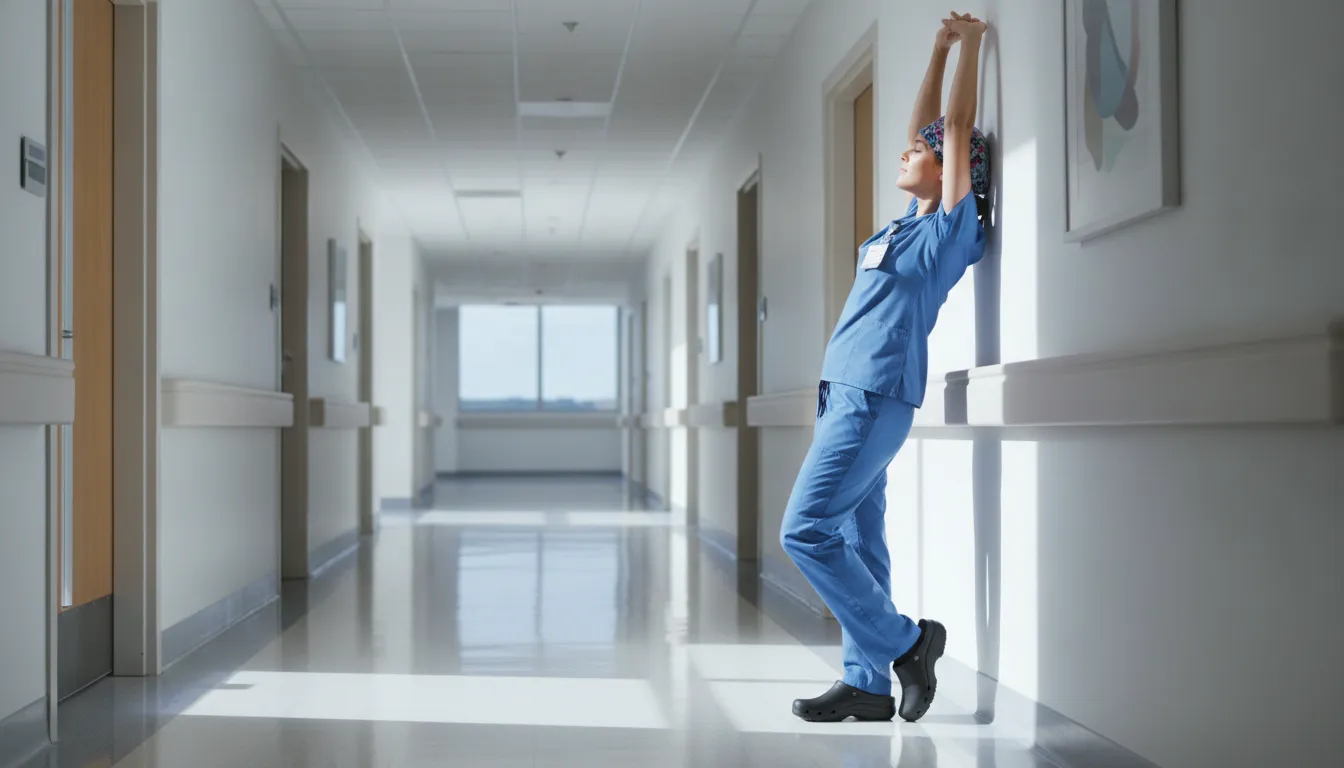
Working on your feet for long hours can put a heavy strain on your vein health. For teachers, police, and nurses, long shifts are a big risk for common symptoms like varicose veins. These jobs often require staying in one place. This can lead to blood pooling in the lower legs and feet. To manage these risks, you can follow a daily plan to keep your blood moving.
Standing still makes it hard for blood to flow from your legs back to your heart. When you do not move, your calf muscles do not help pump blood up. To keep blood from settling in your veins, try to move every 30 minutes. Simple moves like shifting your weight or taking a short walk can help a lot. These small steps help lower the pressure in your leg veins.
If you must stay in one spot, you can still move your legs. Flex your feet and do calf raises to use your muscle pump. This help reduces the swelling in the lower legs that often happens by the end of a shift. Facts from the Mayo Clinic show that moving often can help lower your risk for vein disease.
The shoes you wear change how your legs feel. Choose low-heeled, firm shoes that let your calf muscles work well. Many people also find help through compression therapy. Wearing knee-high socks can help ease pain from fluid in the legs. Before you start, it is best to get a checkup to find the right fit and pressure for your needs.
Your life outside of work also affects your vein health. Keeping a healthy weight can reduce the pressure on your veins. Even losing a small amount of weight may help lower your risk. Drinking enough water also helps your blood flow. If you worry that standing all day causes varicose veins, managing these habits can help you stay comfortable.
Once you finish your work day, your legs need a chance to rest. Lifting your legs above your heart for 15 minutes can help blood flow back to your heart. This simple step can reduce the heavy or achy feeling that worsens when standing for too long. If you notice new pain or skin changes, it may be time to see a doctor at our Glen Rock or Edison office.
If you stand for long shifts, you might notice that your legs feel tired or heavy by the end of the day. For many people, swelling in the lower legs is a sign that blood is pooling instead of moving back to the heart. While rest and leg elevation can help, persistent discomfort often means you need a professional checkup.
You should consider a medical visit if your leg pain does not go away with rest. Experts note that chronic venous disease occurs when leg valves fail to move blood well. This often leads to common symptoms like varicose veins that can become painful over time.
It is important to watch for skin changes or leg sores that do not heal. These signs suggest that your vein health may be getting worse. A doctor can use medical tests to check for deeper issues like vein reflux. Early care can help you avoid more serious problems later on.
Home care can help manage daily aches, but it cannot fix damaged vein valves. If you have jobs where you stay on your feet, your risk for vein issues is much higher. The following table shows when home habits are enough and when you need to see a specialist.
| Symptom | Self-Care Approach | When to See a Doctor |
|---|---|---|
| Mild leg heaviness | Elevate legs and stay active. | If heaviness lasts all day. |
| Visible bulging veins | Use compression stockings. | If veins are tender or red. |
| Leg swelling | Reduce salt and wear wraps. | If one leg swells more than the other. |
| Skin irritation | Apply moisturizing lotion. | If skin becomes hard or dark. |
| Leg cramps | Stretch and stay hydrated. | If cramps wake you up at night. |
Some symptoms need faster attention to prevent blood clots or infections. Seek care right away if you see sudden swelling in just one leg. You should also watch for red, warm, or very painful areas along a vein. These can be signs of a clot that needs a quick medical review.
At NJ Vein Specialists, we offer same-day visits for urgent vein concerns. Our team uses modern vein care to find the root cause of your pain. We help patients in Glen Rock and Edison find the best path to healthy legs.
A vein evaluation is a key step in understanding your leg health. It helps find the cause of your symptoms, such as swelling in the lower legs or persistent pain. At NJ Vein Specialists, we use a concierge-style approach to look at your unique needs and work habits.
Our board-certified doctors focus on finding the source of your leg discomfort. We provide a full check-up to see if your veins are working well. This is vital for those who work in jobs that need long hours on their feet. We want to help you make informed choices about your care.
The first part of the check is a talk about your health. We will ask about your symptoms and if your family has a history of vein issues. Since jobs like teaching or nursing can increase your risk, we also look at your daily routine. Knowing if your worsens when standing helps us build the right plan for you.
We listen to your concerns to get a full picture of your needs. This helps us see how your job affects your circulation. We want to know when your pain starts and what makes it feel better. This talk is the foundation for your personalized care plan.
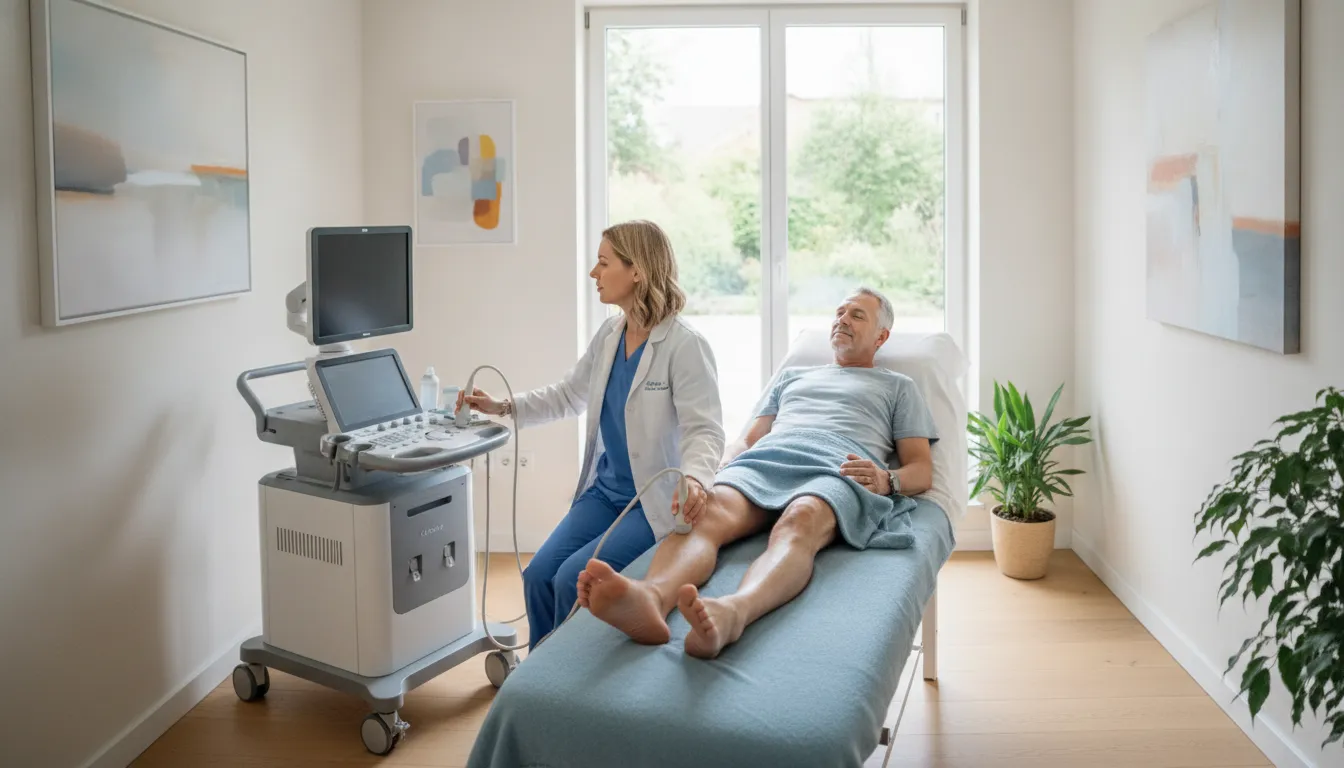
The most vital part of the visit is a blood flow mapping and circulation ultrasound. This test uses sound waves to see how blood moves through your veins in real time. It is a painless way to check for damaged valves that lead to pooling blood. This early check can help prevent chronic venous disease from getting worse over time.
Our on-site ultrasound gives us clear results right away. You do not have to wait for days to get answers. We use this tool to find exactly where your veins are struggling. This precision helps us suggest the best treatment for your specific case.
After the tests, our team will give you a clear plan. This may include simple lifestyle changes or medical steps to help your veins. We might suggest things like knee-high compression stockings to ease leg heavy feelings. If more help is needed, we offer modern, minimally invasive options like VenaSeal or laser therapy to get you back to your normal routine quickly.
We work with you to find a solution that fits your life. Our goal is to provide care that is both effective and convenient. We offer weekend visits to make it easy for busy workers to get help. You can start your journey to better leg health at our Glen Rock or Edison locations.
Many people in New Jersey work in roles that keep them on their feet for most of the day. Teachers, police officers, and healthcare workers often deal with long shifts without much rest. If you have one of these jobs, you might wonder, can standing all day cause varicose veins? The short answer is yes. Research shows that standing for a long time can slow down blood flow. It also raises the risk of vein issues in your legs.
When you stand still for hours, the veins in your lower body must work harder to push blood back up to your heart. Gravity pulls blood toward your feet. This puts a lot of stress on the small valves inside your veins. Over time, this extra pressure can cause those valves to fail or grow weak. This leads to blood pooling in the lower legs. It is a main cause of common symptoms like varicose veins.
Static standing is hard on the body because it limits how much the calf muscles help move blood. When you walk, your muscles squeeze the veins to pump blood upward. But when you stay in one spot, that pump does not work as well. This lack of movement causes pressure to build up in the leg veins. For many local workers, this daily strain leads to a heavy or achy feeling.
New Jersey workers often put their jobs first and their health second. It is common to dismiss leg pain or swelling as just part of a hard day at work. Ignoring these signs can lead to more serious problems like chronic venous disease. If your legs feel tired or throb after a shift, it is a signal that your veins need care. Getting a check-up early can stop these issues from getting worse over time.
Our team knows that finding time for a doctor visit can be tough with a full schedule. That is why we offer vein and vascular care that works around your life. We focus on making the process as smooth as possible for our patients. You do not have to choose between your job and your well-being. Modern vein care is fast, simple, and designed to get you back to your routine quickly.
We provide personalized care at our offices in Glen Rock and Edison. Our locations offer same-day scheduling to help you get the answers you need without a long wait. We also know that your work week can be packed with meetings or shifts. To help, we provide weekend procedure slots so you do not have to take time off work.
Our board-certified doctors use advanced tools to find the cause of your discomfort. We offer minimally invasive options that do not require a hospital stay. Most patients can return to their normal lives right after their visit. Whether you are a first responder or a teacher, we can create a plan that fits your needs. Request a consultation today to see how we can help.
Yes, standing for long periods increases the pressure in your leg veins. Over time, this extra stress can weaken the vein walls and valves. When valves do not work well, blood pools in your lower legs instead of moving to your heart. According to the Mayo Clinic, this increased pressure is a main cause of varicose veins. Moving around often and stretching every thirty minutes helps keep your blood flowing well.
To protect your legs, you should move as much as possible while at work. Experts at the Mayo Clinic Health System suggest shifting your weight often. You should also take short walks or stretch your legs at least once every thirty minutes. This keeps your blood from settling in your lower veins. At home, try to raise your feet above your heart for fifteen minutes to help your blood flow.
You should talk to a vein specialist if you have new or persistent leg pain. Other signs to watch for include swelling in your ankles or a heavy feeling in your legs. If self-care steps like moving more or using compression do not help, you should seek a medical exam. The Mayo Clinic states that persistent pain after standing often needs a checkup to look for hidden vein disease.
You can manage your symptoms by wearing compression stockings and staying active. These tools help lower the pressure in your legs and ease pain from fluid buildup. Lifestyle changes may support circulation and ease symptoms, but they cannot reverse veins that are already there or guarantee that vein problems will not worsen. Experts at the Mayo Clinic Health System note that keeping a healthy weight also helps by taking stress off your vein system. A vein specialist can evaluate your symptoms and explain whether a treatment such as VenaSeal or laser therapy may be appropriate.
Ignoring leg pain from standing all day can lead to serious health problems that get much worse if you do not take action now. By acting now, you can stop this damage and find a way to manage your vein health with a plan that fits your busy life. These early steps help you avoid complex care later so you can move and work with less fatigue and much more ease every single day.
Ready to request a convenient vein evaluation? Contact our office online to request a convenient vein evaluation. Our team is ready to help you find real relief and start your personal journey to much healthier legs starting right now.