
Chronic leg swelling and fatigue are often clear signs that vein treatment may be medically necessary. Understanding how PPO benefits apply to these symptoms is the first step toward getting the care you need.
Does PPO insurance cover varicose vein removal? Most PPO plans will pay for these treatments when a physician determines they are medically necessary for your health. This typically requires documented symptoms like leg pain, swelling, skin changes, or mobility impairment that interfere with daily life. Treatments performed solely for cosmetic improvement are generally not covered. At NJ Vein Specialists in Glen Rock and Edison, we accept all PPO insurance plans for medically necessary care and help you verify your benefits before treatment begins.
Contact NJ Vein Specialists today to verify your PPO benefits and learn if your varicose vein treatment is covered.
Most patients with a Preferred Provider Organization (PPO) plan can receive coverage for varicose vein removal when the procedure addresses a medical need. Whether your plan pays for care depends on the specifics of your condition, the documentation your physician provides, and the terms of your individual policy. At NJ Vein Specialists, we work with all PPO insurance plans to help our patients access the care they need.
Insurance carriers generally approve payment for vein treatments when the procedure addresses a diagnosed medical condition rather than a cosmetic concern. Medically necessary care targets symptoms such as persistent leg pain, swelling, skin discoloration, or venous ulcers caused by chronic venous insufficiency. The Mayo Clinic notes that varicose vein treatment performed solely for appearance is typically paid out of pocket rather than covered by health plans.
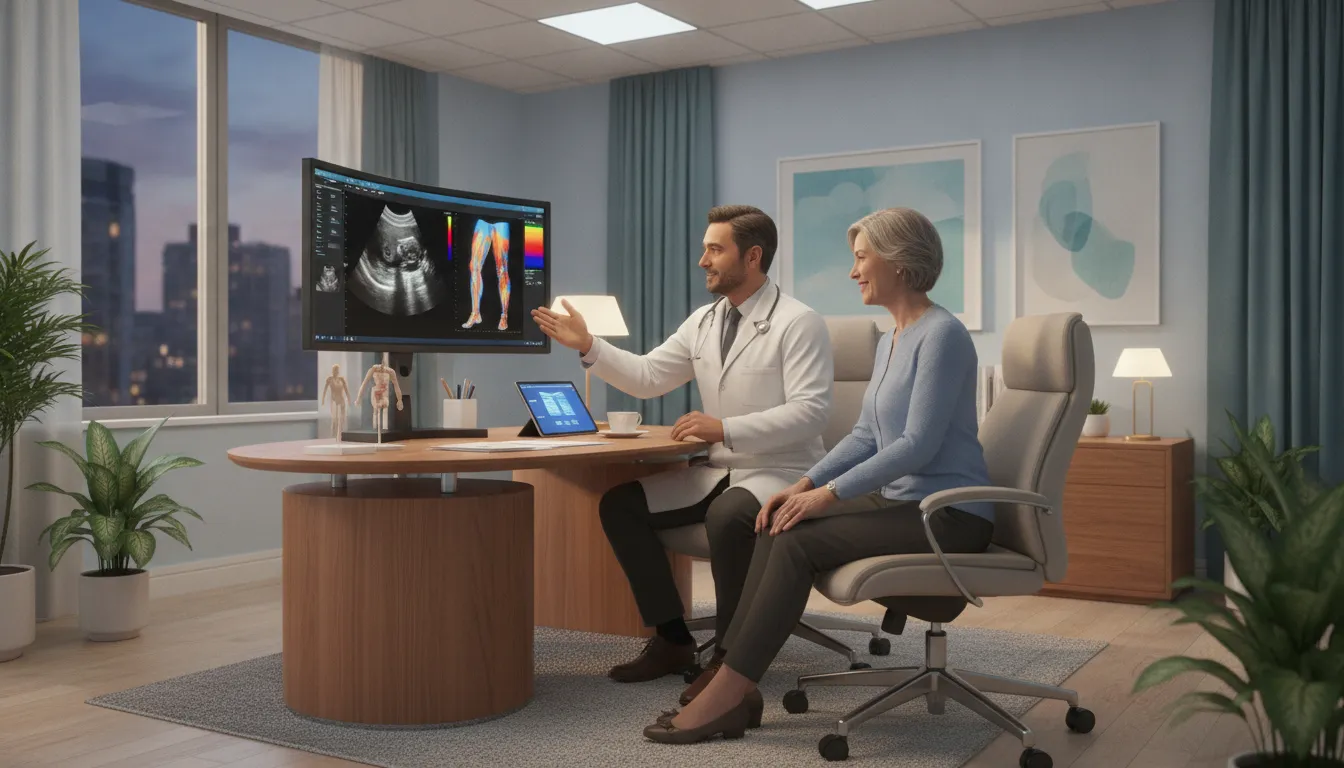
To establish medical necessity, your physician must document objective findings from a diagnostic evaluation. A venous Doppler ultrasound is the standard tool used to assess blood flow through your leg veins and identify faulty valves that cause blood to pool. This noninvasive test provides the clinical evidence insurers require before authorizing treatment.
NJ Vein Specialists accepts all PPO insurance plans at our offices in Glen Rock and Edison. Because PPO plans offer greater provider flexibility, you can often see our board-certified physicians even when we are out-of-network for your specific plan. We help you maximize your out-of-network benefits to reduce your out-of-pocket costs for minimally invasive varicose vein treatments.
Our team provides complimentary insurance verification and prior authorization support. We contact your carrier, review your specific plan benefits, and confirm what your policy covers before any procedure is scheduled. This concierge-style service ensures you have a clear financial picture before committing to treatment.
Your actual coverage depends on the structure of your specific health plan. Deductibles, copays, and coinsurance percentages vary widely between PPO policies. Insurers also commonly require a trial of conservative therapy, such as compression stockings, before approving advanced interventions.
Our staff will verify your benefits and explain any cost-sharing requirements before your procedure begins. We believe patients deserve transparency about what their plan covers so they can make informed decisions about their vein health. For more details about specific treatments, read our guide on modern vein closure options.
The distinction between cosmetic and medically necessary treatment is the single most important factor determining whether your PPO plan will cover varicose vein removal. While many patients want healthier-looking legs, insurers base their coverage decisions on clinical symptoms and functional impairment rather than appearance alone.
Varicose vein removal is classified as a medical necessity when your symptoms affect your quality of life or physical function. Insurers evaluate several objective criteria when reviewing claims:
NJ Vein Specialists serves many public servants including teachers, law enforcement officers, and healthcare workers who spend long hours on their feet. These professions often produce the chronic venous symptoms that meet medical necessity thresholds. If your symptoms make it difficult to stand, walk, or perform your job comfortably, your condition likely qualifies as medically necessary.
Many PPO plans require a trial of conservative therapy before approving interventional procedures. This typically involves wearing graduated compression stockings for a defined period, usually 6 to 12 weeks, combined with leg elevation and activity modification. These conservative measures help insurers confirm that symptoms are severe enough to warrant more advanced treatment.
Our team in Glen Rock and Edison helps you navigate this requirement. We document your compression stocking trial, track your symptom progression, and build a comprehensive medical record that satisfies your insurer's criteria. This structured approach strengthens your prior authorization request and streamlines the approval timeline.
Approximately 40 million adults in the United States have varicose veins, but not all cases qualify for insurance coverage. Understanding which symptoms insurers recognize as medically necessary can help you determine whether your condition is likely to be covered.
Insurers look for specific clinical signs when evaluating vein treatment claims. Common qualifying symptoms include:
Documenting these symptoms in your medical record is essential for establishing medical necessity. When pain or swelling affects your ability to perform your job, care for your family. Or maintain an active lifestyle, insurers are far more likely to approve coverage for treatment.
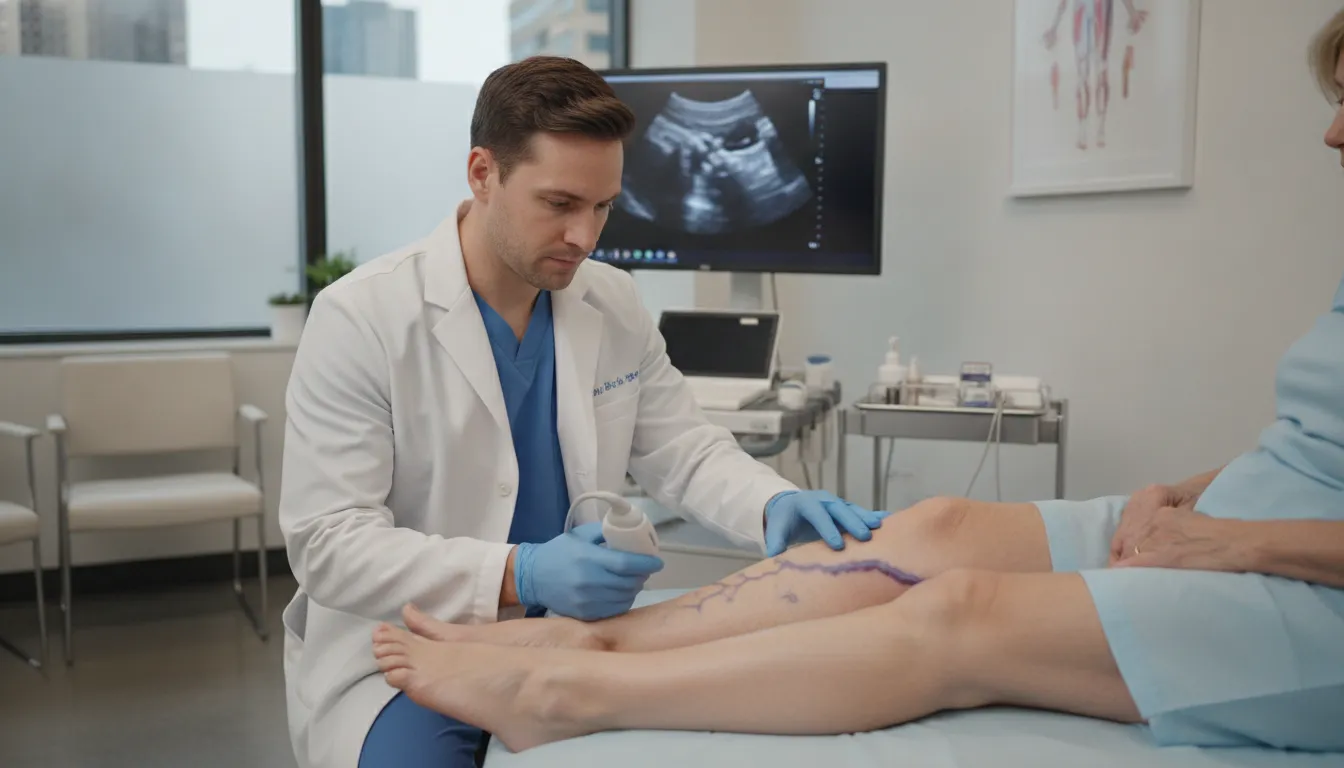
A venous Doppler ultrasound is the diagnostic gold standard for proving medical necessity. This painless, noninvasive test uses sound waves to visualize blood flow through your leg veins and identify valves that are not functioning correctly. The test can detect venous reflux, the backward flow of blood that causes veins to enlarge and become symptomatic.
At NJ Vein Specialists, we perform on-site diagnostic ultrasound at both our Glen Rock and Edison locations. Our board-certified physicians interpret the results and produce the detailed clinical documentation your insurance carrier requires. A positive ultrasound finding of venous reflux is typically the strongest evidence your provider needs to authorize treatment.
Getting your vein treatment approved by a PPO plan follows a structured pathway. Our team manages each step to minimize delays and ensure your carrier receives complete, accurate documentation.
The process begins with a consultation at our Glen Rock or Edison office. Your physician will review your medical history, discuss your symptoms, and perform a physical examination. If varicose veins or venous insufficiency are suspected, an on-site venous Doppler ultrasound is performed to confirm the diagnosis and quantify the severity of venous reflux.
Our team compiles a comprehensive medical file documenting your symptoms, ultrasound findings, and functional limitations. If your PPO plan requires a trial of conservative therapy, we help you initiate and track your use of compression stockings. This documentation demonstrates that conservative measures were attempted and proved insufficient, strengthening your case for procedural intervention.
Our administrative team handles all communication with your insurance carrier. We submit the prior authorization request, respond to any follow-up questions from the insurer, and track the approval timeline. Once authorization is granted, we review your cost-sharing obligations including any deductible, copay, or coinsurance amounts so you have complete financial clarity before treatment begins.
Most PPO plans cover a range of modern, minimally invasive vein treatments when they are performed to address a documented medical need. The specific procedures available at NJ Vein Specialists reflect current standards of care in vascular medicine.
Below is a summary of how PPO plans typically view different vein treatment options. Your individual coverage may vary based on your specific plan design and medical necessity documentation.
| Vein Treatment | Typical PPO Coverage | Primary Use |
|---|---|---|
| Radiofrequency Ablation (Vein Ablation) | High Coverage | Treats incompetent valves in saphenous veins using thermal energy |
| VenaSeal Closure System | High Coverage | Uses medical-grade adhesive to seal diseased veins |
| Varithena (Polidocanol Injectable Foam) | High Coverage | Foam-based treatment for large or tortuous varicose veins |
| Ambulatory Phlebectomy | High Coverage | Removal of bulging surface veins through micro-incisions |
| Sclerotherapy | Variable Coverage | Covered for symptomatic veins; not covered for cosmetic spider veins |
| Laser Therapy (Endovenous) | Variable Coverage | Coverage depends on vein type and medical necessity documentation |
| Compression Therapy | Low Coverage | Typically covered as prerequisite conservative care, not standalone treatment |
At NJ Vein Specialists, our board-certified physicians evaluate your specific venous condition and recommend the most appropriate treatment approach. We then work with your PPO plan to obtain coverage for the recommended procedure. Learn more about each treatment option on our insurance and financing page.
Navigating insurance requirements while managing vein symptoms adds unnecessary stress to an already challenging experience. Our practice is designed to remove that burden so you can focus on your health.
Our on-site team in Glen Rock and Edison has extensive experience working with PPO plans from all major carriers. We handle every aspect of the insurance process including benefit verification, prior authorization submission, and appeals management. When you ask, "Does PPO insurance cover varicose vein removal at your clinic?" the answer is almost always yes for medically necessary care. And we will confirm your specific coverage before you commit.
We provide a complimentary benefit check before any services are rendered. Our staff contacts your carrier, reviews your plan documents, and explains what is covered and what your out-of-pocket costs will be. This upfront transparency lets you plan both your treatment and your budget with confidence.
NJ Vein Specialists operates on a concierge-style model that puts patient comfort and convenience first. Our board-certified surgeons offer same-day appointment availability and weekend procedure slots to accommodate busy schedules. Whether you visit us in Glen Rock or Edison, you receive personalized attention from a physician-led team that understands New Jersey's healthcare landscape.
We also offer on-site diagnostic ultrasound at both locations, so you complete your evaluation and begin the authorization process in a single visit. This integrated approach reduces the time between your initial consultation and your treatment date.
We take particular pride in serving New Jersey's teachers, law enforcement officers, first responders, and healthcare workers. These professionals spend long hours on their feet, placing them at higher risk for chronic venous insufficiency. If you work in one of these demanding fields, your PPO plan is especially likely to approve treatment when your symptoms affect your job performance.
No. PPO plans do not cover varicose vein removal performed solely to improve leg appearance. Treatments are only covered when a physician documents medical necessity backed by clinical evidence such as pain, swelling, or abnormal ultrasound findings. Cosmetic treatments are paid out of pocket.
Insurers typically require a venous Doppler ultrasound report showing venous reflux, a detailed clinical note documenting your symptoms and their impact on daily function. And records of any conservative therapy attempted such as compression stocking use. NJ Vein Specialists compiles and submits this documentation on your behalf.
The prior authorization process typically takes 1 to 3 weeks from submission, depending on your specific plan and the completeness of the clinical documentation. Our team submits all required information upfront to minimize delays and follows up with the carrier until a decision is reached.
Yes. We accept all PPO insurance plans including out-of-network benefits. Our team helps you understand your out-of-network coverage and works to maximize your available benefits so your out-of-pocket costs remain manageable.
If your insurance carrier initially denies coverage, we can help you pursue an appeal. Many denials result from incomplete documentation rather than a true lack of coverage. Our team reviews the denial reason, strengthens the clinical record, and resubmits the request with additional supporting evidence.
Getting a clear answer about your insurance coverage should not be a barrier to addressing your vein health. At NJ Vein Specialists, we make the process straightforward so you can focus on relief rather than paperwork. Our team handles every step from benefit verification to prior authorization, giving you the confidence to move forward with treatment.
Contact NJ Vein Specialists in Glen Rock or Edison today to schedule a consultation and find out if your PPO plan covers varicose vein removal.