
Schedule Your Leg Swelling Evaluation Today , Our board-certified vein specialists in Glen Rock and Edison can help identify the root cause of your leg swelling with advanced on-site ultrasound diagnostics.
Deep sock marks and tight shoes at the end of a busy day reveal more than simple fatigue. Many people dismiss these heavy, aching legs as a normal result of standing, but they often signal a serious fluid buildup known as edema in legs. This swelling happens when weak vein valves struggle to pump blood upward, forcing fluid to pool in your legs and leak into surrounding tissues.
Edema in legs is a common medical condition where excess fluid pools in your lower limbs, often caused by weak vein valves that cannot pump blood. According to the National Institutes of Health, this leg swelling ranges from mild, local fluid buildup to severe, widespread fluid retention throughout the body. While systemic medical issues like heart or kidney disease can cause swelling, chronic venous insufficiency remains a primary underlying cause of lower limb fluid retention. To diagnose this blood flow issue, our board-certified specialists use precise on-site ultrasound tests to locate damaged veins and check your active blood flow. Our clinical team then applies modern therapies like custom compression, active lifestyle changes, or minimally invasive procedures to restore healthy blood flow and relieve leg pain.
Understanding why your legs swell is the first important step toward finding lasting, healthy relief from this uncomfortable and persistent condition. Our board-certified vein experts in New Jersey want to help you make informed, confident decisions about your vascular health and personalized clinic care options. To guide you, we will break down the mechanics of this condition and explain What Is Edema in the Legs? as your journey begins:
NJ Vein Specialists: Edema in legs is fluid buildup in lower limb tissues caused by leaky blood vessels. When chronic venous insufficiency drives this swelling, the condition typically produces pitting edema , a dimple remains after pressing the skin. Our board-certified specialists use on-site ultrasound to distinguish vein-related swelling from systemic causes and create a targeted treatment plan.
Leg swelling is a common issue that many people in New Jersey face. The medical term for this leg swelling is edema. It occurs when tiny blood vessels leak fluid into the soft tissues of your lower limbs. This fluid gets trapped, which makes your skin look puffy, feel tight, and hurt.
For some people, this issue is just a mild, local swelling in the ankles or feet. For others, it can turn into a severe, widespread fluid buildup known as anasarca that affects the whole body. When you have ongoing swelling, getting a professional leg swelling treatment is the best way to find the root cause and get relief.
Doctors group leg swelling into two main types based on how the fluid behaves in your tissue. You can check this yourself by pressing your thumb firmly against the swollen skin of your lower leg for a few seconds. If a deep dimple remains after you lift your thumb, you have pitting edema.
This pit or dent occurs because the excess water can be pushed out of the tissue easily. Pitting swelling is common and often points to vein disease or other systemic health issues. If the skin springs right back and does not leave a mark, you have non-pitting edema. This form is often due to lymph fluid buildup or thyroid problems, which make the tissue feel firm rather than spongy.
Leg swelling can be sneaky because it takes a lot of time to show on the outside. In fact, you can hold about 2.5 to 3 liters of excess fluid before you notice any swelling in your legs. This means fluid is already pooling in your deep tissues before your ankles or calves start to look puffy.
As the fluid builds up in your limbs, you might feel more than just mild tightness or pressure. Chronic leg pain, numbness, and tingling are common symptoms often linked to vein problems like venous insufficiency. If you have sudden swelling in only one leg, it is a key warning sign that needs quick care. For more details on when swelling is a critical warning, read our guide on the danger of edema in legs.
Leg swelling can happen for many reasons. Sometimes it is just a sign that you stood up for too long on a hot day. But in other cases, fluid buildup in your lower limbs can be a warning of a major health issue. Knowing when to seek professional leg swelling treatment is the first step toward getting relief.
Poor blood flow in your veins is one of the most common reasons for swollen limbs. Doctors refer to this broad group of vascular problems as venous disease. It often shows up as varicose veins or chronic venous insufficiency.
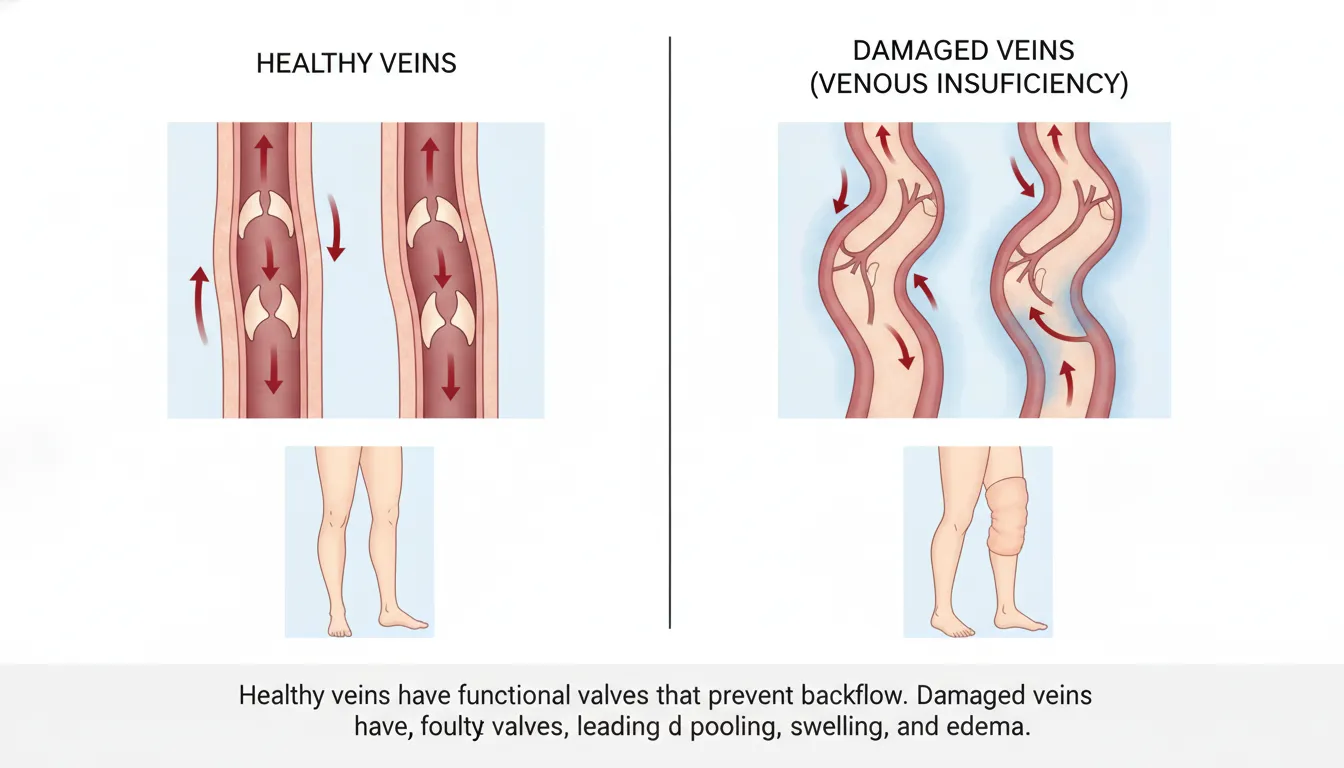
Inside healthy veins, tiny valves keep blood moving upward toward your heart. When these valves become weak or damaged, gravity pulls the blood back down. It then pools in your lower legs and ankles. This pooling causes fluid to leak into nearby tissues, which leads to visible swelling.
Another serious vein problem is deep vein thrombosis. This is a blood clot that forms in a deep leg vein. A clot blocks blood flow and can cause rapid, painful swelling, most often in one leg.
Leg swelling is not always a local vein issue. It can also point to a problem with how your body-wide systems manage fluid. To find the root cause, a doctor will do a full check. They look for both body-wide health issues and local vein problems. This systematic evaluation helps find if the fluid is pooling due to poor blood flow or if a major organ is failing.
Severe conditions can cause fluid to build up in the body. For example, congestive heart failure makes it hard for the heart to pump blood well. This causes fluid to back up and pool in the legs. Kidney disease is another major cause. If your kidneys cannot filter waste, excess fluid stays in your body.
Likewise, a failing liver can alter blood proteins. This change lets fluid leak out of blood vessels, which leads to edema in legs and ankles.
Some common pills can also make legs swell. Blood pressure pills, hormone treatments, and pain meds can all make your body hold onto extra fluid.
Not all causes of leg swelling are serious health crises. Simple daily habits and weather changes can also lead to fluid buildup in your lower limbs.
For example, standing or sitting for a long time can make your legs swell. When you do not move, your calf muscles do not contract. These muscles act as a natural pump to push blood back up to your heart. Without that movement, blood and fluid can pool in your feet and ankles.
Hot weather is another common factor. When it is hot, your blood vessels dilate to help cool your body. This widening can let fluid leak into surrounding tissues. Pregnant women also often have swelling. This is because their bodies make more fluid, and the growing baby puts pressure on the veins in the pelvis.
While these daily issues are usually harmless, constant swelling needs a check. If your legs swell often, you should seek a doctor's check to ensure your veins are healthy.
NJ Vein Specialists: Chronic venous insufficiency is a leading cause of persistent leg edema. When one-way vein valves fail, gravity pulls blood backward into the lower legs. This venous reflux raises pressure inside the veins, forcing fluid into surrounding tissues. Unlike systemic edema from heart or kidney disease, vein-related swelling often affects one leg more than the other and worsens with prolonged standing.
Many people notice a slow build-up of fluid in their ankles and feet by the end of the day. This buildup is known as peripheral edema, or simply edema in legs. While some swelling can happen from sitting too long, constant leg swelling often points to a problem with your veins. In fact, venous disease is a major and common cause of leg swelling, which often shows up as varicose veins or other vein issues.
Healthy leg veins have tiny, one-way valves that help push blood back up to your heart. When these valves fail, they can no longer fight gravity. As a result, blood begins to pool in the lower leg veins instead of flowing upward to the heart. This is known as venous reflux, which leads to chronic venous insufficiency.
As blood pools, pressure builds up inside your lower leg veins. This high pressure forces watery fluid out of the tiny blood vessels and into the nearby tissues. Your body cannot drain this fluid. The fluid builds up and causes the edema in legs that you can see and feel.
Your daily routine plays a big role in how much fluid pools. Standing for hours at work makes vein-related swelling much worse. NJ teachers, police officers, and healthcare workers often suffer from this issue by the end of their shifts. Moving helps. Walking helps your calf muscles pump blood, but it cannot repair damaged vein valves.
When vein issues cause leg swelling, you will likely notice other warning signs. For example, you may feel a heavy, dull ache in your calves that gets worse by evening. Many patients with chronic venous insufficiency also feel chronic leg pain, cramps, numbness, and tingling. These signs can make daily work hard.
If you do not treat the problem, it will get worse. Chronic venous insufficiency often results in constant lower limb edema, which does not go away even when you elevate your feet. This constant pressure damages the skin. The skin can turn dark, thick, or red, and it can soon crack or form painful sores.
Leg swelling can stem from many different causes. When swelling occurs in both legs, it may point to systemic issues like heart, kidney, or liver disease. But vein-related swelling is often worse in just one leg. This local backup of fluid often occurs alongside visible varicose veins or dark skin patches. You must see a specialist to find the true source.
When you suffer from edema in legs, your body holds extra fluid in your lower limbs. Getting a professional leg swelling treatment is crucial to protect your health. Studies show that early recognition of leg swelling helps you get better care and avoids extra testing. At our clinics in Glen Rock and Edison, we focus on finding the exact cause of your swelling from the start.
Our clinical team starts with a detailed check of your health history and symptoms. We want to know when your leg swelling started, if it gets worse during the day, and if you feel heavy, achy legs. Our premium concierge care model ensures that we take the time to listen to your concerns. This care helps our doctors find out if your swelling comes from vein disease or another health issue.
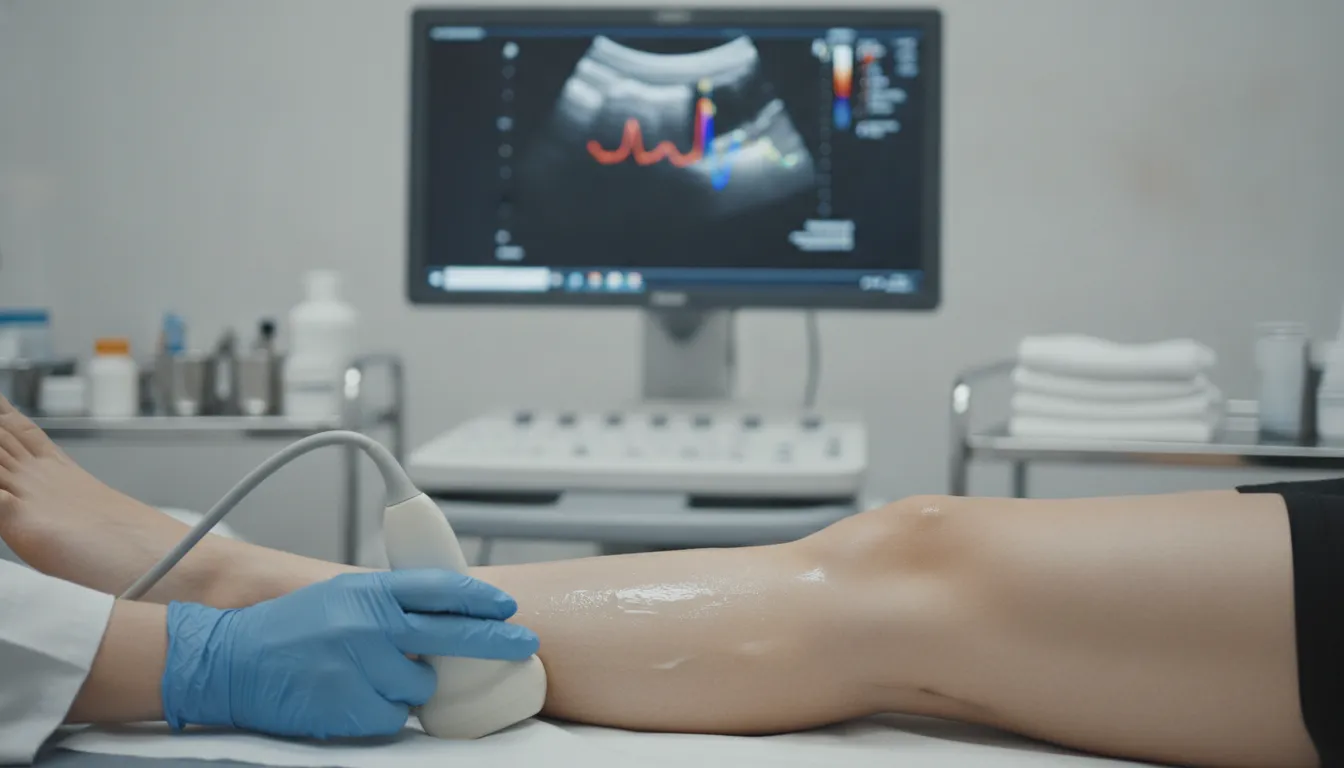
To find the cause of your leg swelling, we use advanced imaging on-site. NJ Vein Specialists provides personalized care with our Blood Flow Mapping and Circulation Ultrasound for a quick and accurate evaluation. You do not need to travel to a separate imaging center. Our on-site ultrasound scans make the process easy and fast for our patients. This painless test lets us look deep inside your leg veins in real time.
The results of your venous ultrasound show us exactly how well your blood flows back to your heart. If your vein valves are weak, blood pools in your lower legs. This pooling leads to high pressure in your veins and fluid leaks into the tissue, creating edema in legs. Our board-certified doctors explain these results to you in plain language. We want you to feel confident and informed about your next steps to find lasting relief.
When bad valves in your leg veins fail, blood flows backward and pools in your lower limbs. This fluid buildup causes painful edema, or swelling, in your lower legs. Many doctors suggest basic care as the starting point. Indeed, clinical studies show that compression therapy is a cornerstone of managing venous-related edema to help improve blood flow.
But simple steps do not always work. If you still have pain and swelling, you may need to look at advanced care. At NJ Vein Specialists, we often start with basic compression therapy for leg swelling. If that does not help, we offer advanced care.
Modern vein care works by closing the bad veins that let fluid pool in your legs. When we seal these weak veins, blood finds a new path through healthy veins, stopping the backflow. Research shows that minimally invasive treatments like vein ablation, Sclerotherapy, and Phlebectomy are safe and work well. We offer these advanced choices at our office to fix the root cause of your swelling.
One advanced option is VenaSeal, which uses a special medical glue to shut the weak vein under ultrasound guidance. The glue seals the vein walls shut right away. Because VenaSeal does not use heat, there is no risk of nerve damage. This means you do not need to wear tight stockings after your treatment.
Another advanced choice is Varithena, which uses a light chemical foam to collapse the bad vein. Varithena is not like thermal ablation, which uses heat from radio waves or lasers. While thermal ablation requires many numbing shots along your leg, Varithena does not use heat at all. It needs only one tiny shot to deliver the foam, making it a very gentle treatment.
Sometimes, we need another plan for veins that are very large and close to the skin. In these cases, we may use ambulatory phlebectomy. This is a minor surgical treatment done in our office where the doctor removes the bad vein through tiny cuts.
We use local numbing fluid so you do not feel pain during the treatment. Phlebectomy is best when surface veins are too large or too twisted for heat or foam treatments. It gives fast relief from bulky, bulging veins that cause swelling and pain.
Every patient has unique needs when it comes to vein care. Our board-certified doctors in Glen Rock and Edison will perform a full checkup to find the best plan for you. We accept PPO insurance plans to help make your care fit your budget. During your visit, we will review your ultrasound results to see which treatment matches your life and health goals.
| Treatment Type | How It Works | Anesthesia Type | Compression Needed? | Recovery Time | Average Sessions |
|---|---|---|---|---|---|
| Radiofrequency Vein Ablation | Uses heat to seal the vein shut. | Local tumescent anesthesia. | Yes, for 1 to 2 weeks. | 1 to 2 days of light activity. | 1 session per vein. |
| VenaSeal Adhesive | Uses medical glue to close the vein. | Small local numbing shot. | No, compression is not needed. | Immediate return to normal life. | 1 session per vein. |
| Varithena Microfoam | Uses chemical foam to collapse the vein. | Local numbing at the site. | Yes, for 1 to 2 weeks. | 1 to 2 days of light activity. | 1 to 2 sessions. |
| Ambulatory Phlebectomy | Removes bulging surface veins via tiny cuts. | Local numbing along the vein. | Yes, for 1 to 2 weeks. | 2 to 3 days of light activity. | 1 session. |
When you deal with swelling in your lower legs, simple daily habits can be a big help. These self-care steps help stop the pooling of fluid that causes pain. While lifestyle changes are helpful, pairing them with special socks is often the key to real relief from edema in legs.
Simple shifts in your routine can help keep fluid moving. For example, raise your legs above your heart for fifteen minutes a few times each day. This helps fluid flow back to your heart. You can also cut back on salt in your diet to help your body hold onto less extra water.
Also, staying active is key for leg health. Daily walks flex your calf muscles, which pumps blood back up to your heart. Be sure to drink plenty of water to help flush out waste and lower leg swelling. Finally, if you must sit or stand for work, take brief breaks to stretch.
For many people, simple daily habits are not quite enough to stop fluid build-up. In these cases, doctors often suggest special socks called graduated compression stockings. These garments squeeze your legs gently with pressure that is tightest at the ankle. As the stocking goes up your leg, the squeeze gets loose to guide fluid upward.
This gentle squeeze helps your veins push blood back toward your heart. A study in the National Institutes of Health database shows that compression therapy for leg swelling remains the first-line treatment for venous leg swelling. It helps manage your symptoms and prevents further issues.
Before you start wearing these socks, you should talk to a vein doctor to get the right fit and pressure level. You can buy mild socks over the counter. But a doctor can prescribe stronger, clinical-grade stockings that are measured to fit your leg shape.
You should put them on first thing in the morning when your legs are least swollen. Most people find that wearing them daily reduces leg fatigue, heavy feelings, and fluid pooling. They are a safe, simple way to keep your legs active. Over time, you will notice that your limbs feel much lighter during the day.
Leg swelling can be a sign of a mild issue, but it often points to a deeper vein problem. When fluid pools in your lower limbs, it is key to find the root cause early. Getting a prompt medical checkup is the best way to get the right care.
You should see a doctor right away if you notice certain warning signs. Sudden swelling in one leg can point to a deep vein blood clot, which is a serious medical issue. If you have pain, warmth, or red skin along with the swelling, you need quick care. These symptoms can mean you have a leg infection or a severe vein blockage.
Open sores or thick, dark skin on your legs also mean that you should seek help. These skin changes often occur when high pressure in your leg veins forces fluid into your tissues over a long time. If you have shortness of breath or chest pain with swollen legs, go to the emergency room right away. For more details on warning signs, read our article on when edema in legs is a danger sign.
Do not wait for your symptoms to get worse before you see a vein doctor. Some people try to treat swollen legs with simple rest and keeping their legs raised, but these steps may not fix the core problem. If your swelling does not get better after a night of sleep, it is time to seek expert advice.
A vein doctor can find out if poor blood flow is causing your symptoms. Research shows that early identification of leg swelling leads to more helpful care. It also helps patients avoid complex and extra tests. When you get a prompt checkup, you can start a clear path toward the right edema treatment.
At NJ Vein Specialists, we focus on precision care for patients who have vein issues. Our board-certified doctors offer concierge-style care in Glen Rock and Edison, New Jersey. We use on-site ultrasound tests to view your blood flow and locate damaged veins. This helps us find the exact cause of your swelling so we can plan the right treatment.
For your convenience, we offer same-day scheduling and weekend procedures. Our team accepts PPO insurance plans to help keep your care within reach. You can schedule a consultation with our team today to learn about your options.
Yes, bad veins are a common cause of fluid buildup in just one leg. When vein valves fail, blood pools in the lower leg. This is known as venous insufficiency. According to a study on PMC, venous disease often causes leg swelling and varicose veins. The swelling often affects one leg more than the other because vein damage can happen in just one limb. An expert can find the cause with an ultrasound.
Yes, walking is very good for reducing leg swelling. When you walk, your calf muscles squeeze. This action helps pump pooled fluid and blood out of your lower legs and back up to your heart. It works like a natural pump to reduce buildup. However, walking is most helpful when you also wear compression socks. As noted on PMC, compression therapy is the main way to control venous leg swelling.
To get rid of leg swelling, you must treat the root cause. If the issue is bad veins, simple changes can help. You can raise your legs above your heart and wear compression socks. For a lasting fix, a specialist can use quick treatments to close bad veins. As shown on PMC, modern treatments like vein ablation and sclerotherapy are very helpful for leg swelling. These office visits need no major surgery.
The three main causes of leg swelling are venous disease, organ issues, and certain drugs. First, chronic venous insufficiency makes blood pool in the legs. Second, organ problems like heart, liver, or kidney failure cause widespread fluid buildup. Third, common drugs for high blood pressure can cause swelling. According to an article on NCBI, edema can stem from many causes, ranging from simple bug bites to life-threatening organ failure.
You should see a specialist if your leg swelling is constant, hurts, or comes with skin changes. Swelling from venous insufficiency does not go away on its own. It can lead to ulcers if left untreated. A board-certified doctor can run an ultrasound to check your blood flow. According to NCBI, finding the cause early helps you get the right care and keeps you from getting tests you do not need. A vein doctor can provide the exact care you need.
Leaving swollen legs untreated can lead to severe health problems like deep skin damage, painful blood clots, or lasting vein damage over time. Getting an on-site ultrasound scan early helps you find fast relief and prevents minor swelling from turning into a major chronic issue. Our board-certified vein doctors in Glen Rock and Edison accept most PPO plans and offer gentle, custom care designed around your busy weekly schedule.
Ready to schedule a consultation? Call (551) 356-8214 to schedule a consultation for leg swelling evaluation and treatment with our board-certified doctors today. Our friendly, dedicated care team is ready to help you with same-day scheduling or weekend appointments at either of our convenient New Jersey clinics.