
Leg pain and swelling from visible veins do not have to be a permanent part of your life. Sclerotherapy for varicose veins is a minimally invasive medical process that treats damaged blood vessels by injecting a special solution into them. This liquid, called a sclerosant, irritates the vein lining, causing the vein to swell and stick together. Over time, the treated vein turns into scar tissue and is slowly reabsorbed by the body. Blood then moves to healthier veins, which helps your legs look and feel better without surgery. At NJ Vein Specialists, our board-certified physicians use on-site ultrasound and concierge-style care to ensure every injection is precise and safe for your needs.
Understanding how this treatment works is the first step toward finding relief for your leg symptoms. Our team at NJ Vein Specialists is here to help you understand what to expect in our Glen Rock and Edison offices. Below, we explain exactly what sclerotherapy is and how it can help you achieve clearer, more comfortable legs.
Sclerotherapy for varicose veins is a minimally invasive injection treatment that closes damaged blood vessels using a sclerosant solution. The treated veins scar, collapse, and are naturally absorbed by the body over several weeks. Most sessions take 15 to 45 minutes with no downtime required.
Sclerotherapy is a simple medical treatment for vein issues. It is a minimally invasive procedure that doctors use to treat spider veins and small varicose veins. During the process, a provider uses a tiny needle to inject a special liquid or foam solution into the damaged vein. This liquid is known as a sclerosant. It helps the vein fade away over time so your legs look and feel better.
You might wonder if this treatment is new, but it is really a very old and well-studied medical tool. Doctors have used sclerotherapy since the 1930s to help people with vein health. It is now one of the most common and safe ways to fix small vein problems without needing major surgery. Over the last nine decades, the tools and liquids used for this process have only gotten better. Today, it remains a top choice for patients who want to clear up leg veins with little downtime.
The goal of the treatment is to stop blood from flowing through a sick vein. When the liquid enters the vessel, it rubs the inner lining. This causes the vein to scar and collapse so that blood can no longer pool inside it. Once the vein shuts down, your body simply moves the blood to other, healthier veins deeper in your leg. Over the next few weeks or months, your body absorbs the old vein tissue. This makes the dark, twisted lines on your skin fade away or vanish fully.
At NJ Vein Specialists, we offer this treatment as part of our full care plan for patients. It is one of our eight core methods for fixing vein issues. We provide this service in our clean and modern offices in Glen Rock and Edison. Our board-certified physicians lead every step of your care journey. We use on-site ultrasound tests to find the exact source of your vein pain or swelling. This helps us make sure we give you the right treatment for your unique needs. Whether you are a teacher, a nurse, or a first responder, we aim to get you back on your feet fast. Our team treats this as a concierge-style service. We know your time counts, so we offer same-day booking and Saturday hours.
During sclerotherapy, a doctor injects a sclerosant solution directly into the damaged vein. The solution irritates the vein walls, causing them to swell shut. Blood reroutes to healthier veins nearby, and the treated vein is absorbed by the body over the following weeks.
Sclerotherapy uses a special liquid called a sclerosant to fix problem veins. When a doctor injects this liquid into a vein, it starts a change in your body that helps the body remove the vein on its own over time. It is a top choice for sclerotherapy for varicose veins because it is quick and works well. Most patients like that it does not need surgery or long recovery time.
Once the liquid enters the vessel, it begins to act on the inner walls. The sclerosant irritates the lining of the vein. This irritation causes the walls to swell and become sticky. As the walls press together, the vein seals shut. The Cleveland Clinic says this swelling is what keeps the vein from carrying blood. Since the vein is closed, blood can no longer pool inside it. This stops the pressure that causes pain or bulging. You might feel a tiny pinch or a bit of cramping, but the process is fast. The doctor uses fine needles to target the right spots. By sealing the vein at the source, the treatment prevents it from opening back up later.
After the vein seals, it turns into a small cord of scar tissue. Over the next few weeks, your body slowly breaks down and absorbs this tissue. Blood naturally moves to deeper, healthier veins to keep your blood flow strong. Research from the Mayo Clinic shows that this reabsorption is what makes the visible blue or purple lines fade away. Most people see a big change in how their legs look within a month. Your immune system cleans up the old vein tissue just like it would heal a small bruise. You can help this process by staying active. Walking helps move blood through your healthier veins while the treated vein fades away.
Doctors use different types of solutions based on the size of the vein. Some are thin liquids, while others are a thick foam. Foam is often used for larger vessels because it covers more area. Small spider veins usually need only a tiny amount of liquid. Using the right type of sclerosant for the vein size ensures the treatment is safe and gets the best results. A board-certified doctor will pick the best option for your case. No matter which one is used, the goal remains the same: close the vein safely with as little discomfort as possible.
The best candidates for sclerotherapy are people with spider veins or small varicose veins that cause leg pain, swelling, or cosmetic concerns. A full health evaluation including ultrasound mapping determines if the treatment is appropriate for your specific vein issues.
Sclerotherapy is a top choice for people who want to clear away small, visible veins on their legs. Most patients seek this care to feel more confident or to find relief from daily leg pain. The best candidates want a way to address spider veins and small varicose veins without surgery. A full health check is the first step to see if it fits your needs.
The best candidates for sclerotherapy are those with spider veins or small varicose veins. These small veins stay near the skin surface and often look like red or blue webs or thin lines. The Cleveland Clinic says that the treatment targets these blood vessels to help them fade over time. Many people come to us because their legs feel heavy, sore, or tired by the end of the day. Common signs of vein issues include:
While many people benefit from this care, it is not the right tool for every vein issue. Large, trunk-like varicose veins that bulge out from the skin often need a different plan. These bigger veins might need vein ablation or other methods to close them. The Mayo Clinic notes that large veins may not react as well to the liquid used in sclerotherapy. Our board-certified doctors will suggest a better treatment to keep you safe. This is why we use on-site ultrasound tools to look deep below the skin. This mapping helps us see the size and flow of your veins.
Your overall health plays a big role in being a good fit for vein care. Sclerotherapy is not for people who are currently pregnant. Most doctors suggest waiting until after you give birth and finish nursing to start these treatments. If you have a history of blood clots, we will review your medical history very carefully before we start. At NJ Vein Specialists, we take a unique approach to every patient in Glen Rock and Edison. We accept PPO insurance plans and can help you look at your options for care.
Request your sclerotherapy consultation at NJ Vein Specialists in Glen Rock or Edison today.
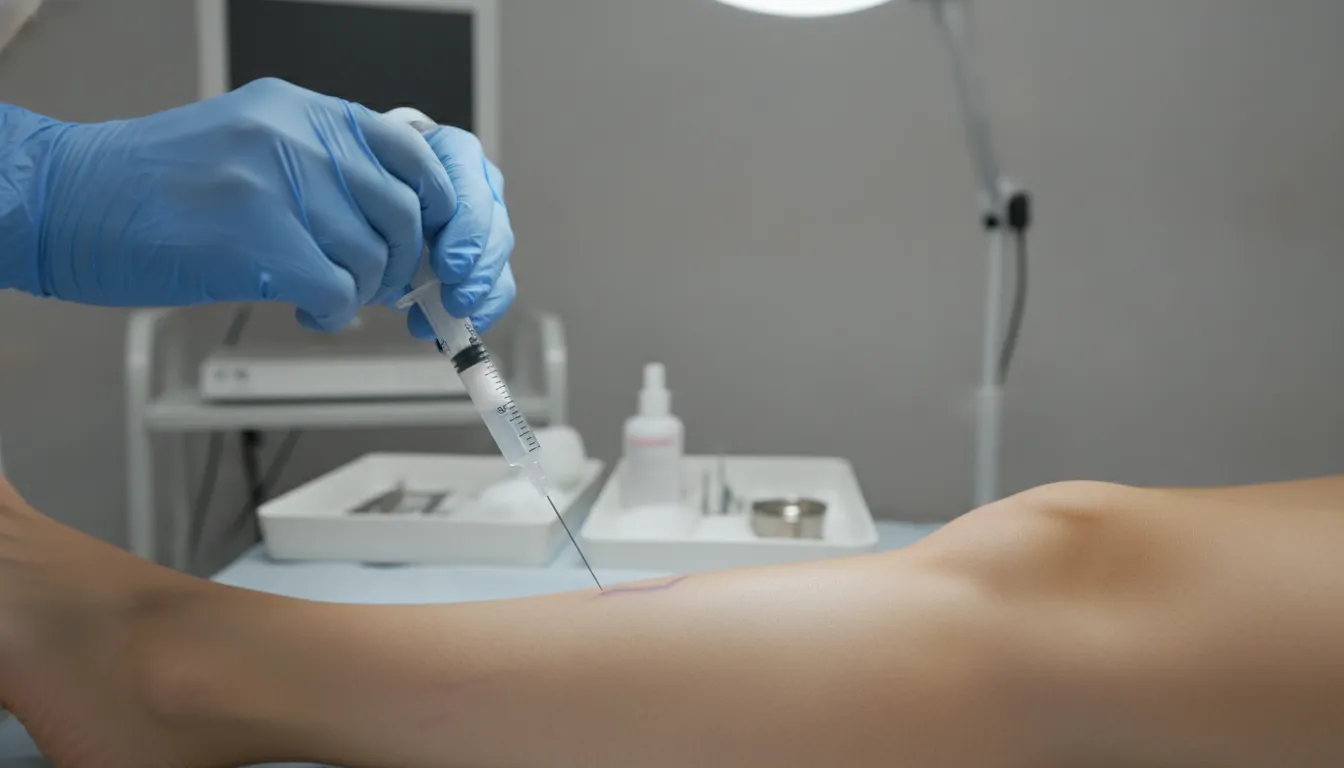
A sclerotherapy session takes 15 to 45 minutes in our office. After an ultrasound vein mapping, the doctor injects the sclerosant through a fine needle. Most patients return to normal activities immediately after the visit.
A sclerotherapy visit is a quick process that we do in our office. At NJ Vein Specialists, we put your comfort and peace of mind first from start to finish. Our sclerotherapy for varicose veins follows clear steps to help your leg health.
Your visit starts with a talk with your doctor. We use on-site ultrasound to see your veins in real time. This helps us find the exact spots that need care. Since we have this technology in our Glen Rock and Edison offices, we can often offer same-day care. This saves you time and gets you back to your life sooner.
While one visit can make a big change, some people need more than one session. It often takes multiple treatments to reach your goal for clear skin. Your doctor will discuss a plan that fits your needs after your first visit. You can learn more in our sclerotherapy recovery guide.
Recovery from sclerotherapy is typically mild. Patients wear compression stockings for two to three weeks, walk immediately after treatment, and avoid heavy exercise for one week. Treated veins fade within weeks, with full results visible after one to two months.
The healing process starts right after your treatment. While the procedure itself is quick, your body needs time to clear the treated vessels. Most patients find the recovery after sclerotherapy to be mild. You will likely feel ready to return to your normal life almost right away.
Once your session ends, we will ask you to get up and move. Doctors often encourage walking right away after the procedure. Moving your legs helps with blood flow and prevents clots. You may feel some mild cramping or stinging at first. These small side effects are common and usually fade within a few hours. Most people can drive themselves home or back to work without help. You can start nearly all normal activities shortly after you leave the clinic. Whether you are a teacher, a nurse, or a first responder, you can get back to your day fast. Keep your legs moving throughout the day to help the healing process.

One of the most important parts of your recovery is wearing compression stockings. These tight socks help keep the treated veins closed so they can heal. Most patients need to wear compression stockings for two to three weeks. Our team will show you how to put them on and take them off. While walking is good, you should avoid heavy lifting for a short time. You will be advised to avoid strenuous exercise for about one week after the procedure. This includes running, lifting weights, or hard gym classes. Too much strain too soon can cause the veins to reopen. For more tips on your first week, check out our sclerotherapy recovery guide.
You might see some bruising or red spots at first. This is normal and shows that the treatment is working. In most cases, the injected veins fade within a few weeks. Some veins may look worse before they look better. It can take a month or more to see the full results. Large veins may take longer to fade than small spider veins. Some patients may need more than one session. During your follow-up, our doctors will check your progress using precise tools like ultrasound. With proper care, your legs will look and feel better as the weeks go by.
Sclerotherapy works best for spider veins and small varicose veins. Larger veins may respond better to vein ablation, VenaSeal, or Varithena. Your doctor will use ultrasound mapping to recommend the treatment that matches your specific vein size and condition.
Choosing the best care for your veins depends on the size and type of the problem. While sclerotherapy for varicose veins is a top choice for many, other options might work better for your needs. Our board-certified doctors use on-site tools to find the right path for your health.
Most vein issues fall into two groups: small cosmetic lines or larger bulging veins. Sclerotherapy works well for spider veins and small varicose veins, but it is not for every case. For instance, large varicose veins often need heat or glue to close properly. Our team in Glen Rock and Edison helps you pick the best plan.
| Treatment | Best For | Method | Downtime |
|---|---|---|---|
| Sclerotherapy | Spider & small veins | Injection | Minimal |
| Vein Ablation | Large varicose veins | Laser or heat | Stockings needed |
| VenaSeal | Trunk veins | Medical glue | No stockings |
| Varithena | Moderate veins | Foam injection | Quick return |
| Laser Therapy | Facial & tiny veins | Light energy | None |
| Phlebectomy | Bulging veins | Removal | A few days |
Sclerotherapy is a fast and simple way to clear up leg veins. Sessions usually take 15 to 45 minutes, making it easy to fit into a busy day. It is most effective for small to medium veins and has a strong safety record. This makes it a great first choice for many patients who want symptom relief without a long recovery.
Sclerotherapy reduces leg pain, cramping, and swelling while improving the appearance of spider veins and small varicose veins. The procedure requires no surgery, offers minimal downtime, and produces visible results within weeks.
People who pick sclerotherapy often want both health and look benefits. The treatment helps your legs feel less tired and heavy. The Mayo Clinic notes that sclerotherapy can help relieve symptoms like aching, swelling, and burning in the legs. Many patients also note that their legs look clearer and smoother as the treated veins fade. The cosmetic results are a nice bonus on top of the physical relief.
The main goal of this care is to help your blood flow better. Closing the problem veins takes pressure off your circulatory system. This can reduce swelling in your lower legs and help with restless leg symptoms. According to the NIH, correcting venous reflux can also prevent worsening of vein disease over time. Many patients report better sleep and more energy during the day after their vein health improves.
One of the biggest draws of sclerotherapy is how easy it is to fit into a busy life. Sessions happen in our comfortable offices with no need for a hospital visit. Most insurance plans cover the procedure when there is a medical need. At NJ Vein Specialists, we accept all PPO insurance plans and help you verify your coverage before treatment. Our same-day booking and Saturday hours make it easy to get care without taking time off from work.
NJ Vein Specialists offers board-certified physicians, on-site ultrasound diagnostics, concierge-style care, same-day scheduling, and Saturday hours at locations in Glen Rock and Edison. The practice accepts all PPO insurance plans for vein treatments.
Your choice of provider matters for your vein care results. At NJ Vein Specialists, our three board-certified physicians bring decades of combined experience to every patient visit. We use advanced tools like on-site diagnostic ultrasound and blood flow mapping to plan your treatment with precision. This ensures we address the root cause of your vein issues, not just the visible symptoms.
We know your time is valuable, especially if you work in a demanding job. Our practice offers same-day booking and Saturday hours from 9 to 11 am. This makes it easy to get the care you need without missing work or family time. Whether you are a teacher, a first responder, a healthcare worker, or a busy parent, we are here to work around your schedule. Our team treats every patient with a personalized, concierge-style approach that prioritizes your comfort and convenience.
If you have leg pain, cramps, or swelling, our team can help you find answers. We treat many vein issues to help you feel your best again. Requesting a meeting with our experts is the first step. You can start by exploring spider vein treatment options at our clinic. We accept most PPO insurance plans to make care accessible. While we work with many plans, we advise you to confirm with your provider what your plan covers. Our staff is happy to help you find the information you need.
Most PPO insurance plans may cover sclerotherapy when a doctor finds it is needed for health reasons. Insurance often pays for treatment of large veins that cause pain or swelling. However, they may not pay if you only want to fix how the veins look. According to Cleveland Clinic, some plans cover veins that cause health issues. You should check with your plan to see if they will pay for your care.
A single session of sclerotherapy usually takes about 15 to 45 minutes to finish. The exact time depends on the size and number of veins your doctor needs to treat. Most patients can go back to their normal daily tasks right after the visit. Some people may need more than one visit to get the best results for their legs.
Most patients can walk and return to many normal tasks right after the procedure. You will likely need to wear compression stockings for two to three weeks to help your legs heal. You should also avoid heavy exercise for about one week. According to the Mayo Clinic, treated veins usually start to fade within a few weeks. It can take a month or more to see the full results of the treatment.
Treated veins that collapse and are absorbed by the body do not usually come back. However, new varicose or spider veins may form in the same area over time. Sclerotherapy works by causing the vein to scar and close so the body can absorb it. The Mayo Clinic notes that while the treated veins fade, the procedure does not stop new veins from growing. Regular checkups can help manage any new vein issues.
Sclerotherapy is a safe and common treatment, but it is not right for everyone. Doctors generally do not recommend this procedure for women who are currently pregnant. It may also not be the best choice for very large, trunk-like veins that need other care. The Mayo Clinic states that large veins might need thermal ablation or surgery instead. Your doctor will use an ultrasound to find the best treatment plan for your specific vein health.
Not treating vein issues can lead to more pain and swelling in your legs over time. When you wait to get help, small issues may turn into larger health troubles that are harder to fix. Our team of board-certified doctors gives concierge-style care to make sure you feel at ease during every part of your visit. We use clear ultrasound tools at our offices in Glen Rock and Edison to find the best path for your health. Booking a visit now helps you start your path to comfort and relief much sooner. We offer same-day booking and Saturday hours to fit your busy life and needs. Our goal is to help you get back to your daily routine with more ease and less leg pain.