
Constant leg pain and swelling are often signs of a treatable vein condition. Choosing the right treatment for varicose veins is a key step toward better leg health.
Request a personalized vein evaluation at NJ Vein Specialists.
VenaSeal vs radiofrequency ablation is a common choice for patients who want to fix leg pain. Both are simple, in-office treatments that close weak veins to help your blood flow better. VenaSeal uses a strong glue to seal the vein shut, which often means fewer numbing shots and less time in tight socks later. Radiofrequency ablation uses heat to close the vein and is a trusted, standard choice for many doctors. Both ways work well and have the same success rates of about 97 percent after one year. Studies show that both options help patients feel much better and improve their daily life. Our doctors will help you pick the right choice based on your needs and leg health.
Modern vein care is fast and safe. Two top choices are VenaSeal and radiofrequency ablation. Both help patients who need help with varicose veins. They use small tools to close weak veins. This stops blood from pooling in your legs. While they both work well, they use different ways to seal the vein.
| Feature. | VenaSeal. | Radiofrequency Ablation (RFA). |
|---|---|---|
| How it works. | Uses a medical glue to seal veins. | Uses thermal heat to close veins. |
| Numbing needs. | One small numbing shot. | Multiple numbing shots (tumescent). |
| Tight socks. | Often not needed after care. | Usually worn for one to two weeks. |
| Healing time. | Return to most tasks right away. | Return to most tasks right away. |
| Main benefit. | No heat and fewer shots. | Long record of trusted success. |
VenaSeal and radiofrequency ablation both seal off bad veins. RFA uses heat to make the vein wall shrink and close. VenaSeal uses a special glue to hold the vein shut. Both ways have high success rates in our Glen Rock and Edison clinics. In fact, medical studies show both are nearly 97 percent good after one year. Once the vein is closed, blood moves to healthy veins nearby.
The choice between glue or heat depends on what you need. Heat has been the main way for many years. It is a trusted way for many vein types. The glue is a newer way that avoids the use of high heat. Both methods are safe and help you feel better quickly.
The way we numb the leg is a big change between the two. RFA needs a "water jacket" of numbing fluid around the vein. This keeps your skin safe from the heat. It means you may need more shots at the start of your care. Some people feel a bit of pressure during this part of the visit. But it ensures you do not feel the heat during the work.
A VenaSeal closure procedure does not use heat. It usually only needs one shot where the tool goes in. This often makes it a better choice for those who dislike shots. Many patients find the glue method to be very easy and low-stress.
Most people go back to work the next day after either choice. But the care after you leave the office is not the same. After radiofrequency vein ablation, you must wear tight socks. These help the vein stay shut as it heals. You will likely wear them for at least a week to get the best result.
VenaSeal often means you do not need to wear these tight socks. This is helpful if you find tight wraps hard to put on. It is also nice if you live in a warm area. Both choices are done in our office in less than an hour. You can walk out of the clinic and get back to your day with very little lost time.
VenaSeal is a modern way to treat vein issues without using heat or harsh chemicals. It uses a safe medical glue to shut down a weak vein. This glue is known as cyanoacrylate. When our doctors place the glue in the vein, it seals the walls shut. This stops the bad blood flow right away. Your body then moves the blood to nearby healthy veins.
The VenaSeal closure procedure is a safe and proven choice for many people. It has help from the FDA to treat veins that cause leg pain or swelling. Unlike older methods, this glue stays in the vein for good. Over time, your body will absorb the treated vein as scar tissue forms. This process helps your legs look and feel better without the need for surgery.
Many patients ask about VenaSeal vs radiofrequency ablation when they visit us. The main difference is how the vein is closed. Radiofrequency ablation uses heat to make the vein walls collapse. VenaSeal uses glue instead. Because there is no heat, VenaSeal often needs fewer numbing shots along the leg. This can make the process much easier for you.
Both tools work well. Clinical tests show that both have a success rate of about 97 percent after one year. You can learn more about radiofrequency vein ablation to see how it compares. Our team in Glen Rock and Edison will help you pick the best path. We look at your vein size and your health goals to find the right fit.
We perform this care right in our office. It often takes less than an hour to finish. Our doctors use an ultrasound to see the vein clearly. They then use a thin tube to place the glue just where it needs to go. Most people feel very little during the process. You will not need deep sleep or heavy drugs to stay relaxed.
One big plus of the VenaSeal closure procedure is the recovery. Most people do not need to wear tight compression socks for weeks after. This makes it a great choice for active people or those who find socks hard to wear. If you have leg pain or swelling, you should request a consultation with our board-certified team. We provide concierge-style care to help you find the best way to heal your veins.
Radiofrequency ablation (RFA) is a top thermal treatment used to close weak veins. At our Glen Rock and Edison sites, our board-certified doctors use this method to help people find relief from leg pain. Unlike the glue used in a VenaSeal closure procedure, RFA uses heat to fix the vein. This helps stop the backflow of blood that causes discomfort.
During the visit, a small tube is placed into the vein. This tube sends out heat that warms the vein wall. This thermal energy causes the vein to shrink and shut. Once the vein is closed, your body sends blood to healthy veins nearby. This shift helps lower the pressure that causes treating varicose veins and other signs of chronic venous insufficiency.
Because RFA uses heat, your doctor will use a special numbing fluid to protect the skin. This fluid acts as a shield and keeps you comfortable. This step is a key part of the care for VenaSeal vs radiofrequency ablation options. While VenaSeal needs fewer shots, RFA is still a very common and trusted choice for many people.
The whole process takes place in our office and often takes less than one hour. You will stay awake, and most people find the care to be easy. After the radiofrequency vein ablation is done, we place a small patch over the spot. Our concierge-style care means you get a full plan for your recovery before you go home.
Your doctor will see if RFA is the best path for you after a clear scan. The shape and size of your veins help us make this call. Both RFA and VenaSeal have occlusion rates near 97 percent at one year. We match the right care to your needs to help you get the best results for your health.
Both VenaSeal and radiofrequency ablation are small, in-office treatments. You get back to your day fast. We offer concierge-style care at our spots in Glen Rock and Edison. Our board-certified doctors help you pick the best path for your health. While both work well, they feel different and have different steps for healing. We know your time is vital, so we offer same-day care and weekend hours.
Radiofrequency ablation uses heat to close a vein. This method needs local anesthesia to numb the area. Doctors must use many small injections along the vein to keep you at ease. This fluid also protects the tissue around the vein from the heat of the device. Many people find these extra pokes to be the part of the visit they feel the most. But the numbing is very strong once it is in place.
VenaSeal is not the same. It uses a medical glue to seal the vein. Because it does not use heat, it needs fewer numbing injections. Some data shows that patients feel less pain during VenaSeal care. This can be a key choice if you want to avoid many needles. Our team makes sure you feel relaxed during the whole visit.
After vein care, most patients need to wear compression stockings. These socks help the vein stay closed and reduce swelling. For radiofrequency vein ablation, you may need to wear them for a week or more. Your doctor will give you a clear plan based on your needs and your health history. We help you find the right size and fit for your comfort.
VenaSeal often needs less compression time. Since the glue seals the vein right away, some people may not need stockings at all. This makes it a well-liked choice during the hot summer months. If you have a busy life or find stockings hard to wear, a VenaSeal closure procedure might be a better fit. Benefits of less compression include:
Both treatments let you walk right after the visit. Most people return to work or their normal routine the next day. These are safe options for treating varicose veins with very low risk. Studies show that most side effects are mild and go away fast. This quick return to life is great for teachers, police, and healthcare workers who stay on their feet.
Your healing also depends on your own health. Our doctors look at your vein map to see which method suits your body best. We want your care to be smooth and stress-free from start to finish. Whether you choose heat or glue, our goal is to help you feel your best again. You can request a consult online to start your journey to better leg health.
Choosing between VenaSeal vs radiofrequency ablation is not a simple task. Our board-certified doctors use a concierge-style path to find what works best for you. This means we look at your unique needs and goals before we pick a plan. No two legs are the same. We want to make sure you get the best result for your health and comfort. We focus on your past health and what your day-to-day life looks like. Our team at NJ Vein Specialists wants to make care as easy as we can. We offer same-day spots and weekend times at our Glen Rock and Edison sites.
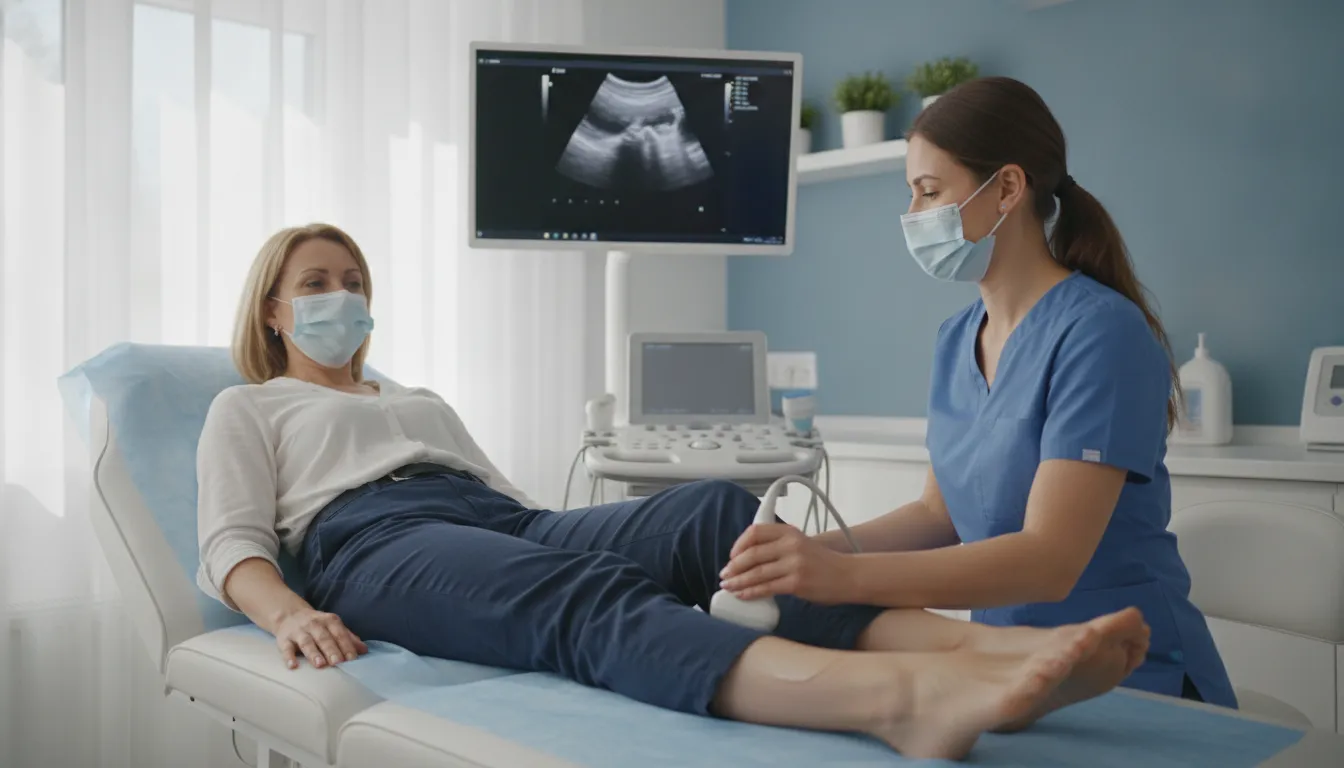
The first thing we do is look at your veins with a special tool. This tool is a Blood Flow Mapping and Circulation Ultrasound. It helps us see the size and shape of the veins inside your leg. Some veins might be too large or too twisty for one treatment. For example, radiofrequency vein ablation works well on straight, deep veins. This method uses heat to close the vein. It is a top choice for many patients. We use this tool to map your blood flow and find where the valves are weak.
But the VenaSeal closure procedure might be better for certain vein shapes. It uses a medical-grade glue to seal the vein shut. Both methods are very safe. They show high success rates near 97 percent in medical studies. Our doctors will show you your ultrasound images. We will show you why one might work better for your exact vein shape. We want you to be part of the choice and feel good about your care.
We also look at your past health and how you live. If you need to get back to work fast, VenaSeal may be the right pick. It often needs less time in a tight leg sleeve after the work is done. This can be a big plus if you work on your feet all day. Teachers and police officers often like this part of the care. If you have sensitive skin or a glue allergy, we will pick the heat method instead. We want to avoid any skin issues or bad responses. Both paths lead to equal gains in how you feel each day.
Your own hopes for the care matter too. Some people want to avoid many numbing shots. VenaSeal often needs fewer shots than heat treatments. This makes the day easier for those who do not like needles. No matter which one you pick, both are done in our office while you are awake. Most people can drive home and go back to their day right away. We aim for a stress-free day from the moment you walk in.
When we build your plan, we also look at insurance. We know that costs matter to our patients. Most PPO insurance plans help pay for these treatments if they are a medical need. This is called medical necessity. It means we must show that your vein issues cause real pain or swelling. We will help you find out what your plan needs. We check your coverage before we start any work. This way, you can focus on getting your legs back to feeling great.
Sometimes a plan needs you to try tight socks first. We can help you through those steps to meet their rules. Our team is here to guide you through the paperwork. We want to make sure you get the care you need without a headache. If you have questions about costs, we have a team to help find the answers.
Every medical procedure has some risk. When you compare VenaSeal closure procedure vs radiofrequency ablation, you will find that both have strong safety records. Most side effects are mild or moderate. You should talk to your doctor about your health history before you pick a path. At our Glen Rock and Edison locations, we help you weigh these factors to find your best fit.
Both methods use small cuts and local numbing to treat veins. Studies show that VenaSeal and radiofrequency ablation are both safe ways to close veins. Some people may see slight bruising or feel a dull ache after the work. These issues usually go away fast. It is vital to note that no single tool is the best for every person. Your body type and vein health will guide our team's choice.
Heat energy and medical glue have different limits. While both work well, some veins are too large or too twisty for one specific tool. For example, radiofrequency vein ablation uses heat. This needs extra numbing fluid to protect your skin. VenaSeal does not use heat, so it needs fewer needle pokes. But, your doctor might suggest radiofrequency vein ablation if your veins are very close to the skin.
We do not make promises about final results because every patient is unique. You must discuss your goals and any fears with our board-certified team. We provide concierge-style care to ensure you feel heard and safe. We will look at your ultrasound results to plan the right treatment. You can reach out to us to start this talk and see which option matches your needs.

Your path to healthy legs starts with a close look at how your blood moves. At NJ Vein Specialists, we give a high level of care to every patient who walks through our doors. Our board-certified doctors meet with you in our Glen Rock and Edison offices to talk about your signs. This concierge-style visit focuses on your comfort and your own health goals. We take the time to listen to your worries about leg pain or swelling before we begin any tests. Our team wants you to feel at home in our private exam rooms.
One key part of your visit is the circulation ultrasound. We often call this Blood Flow Mapping. This test lets us see inside your legs in real time without any pain or needles. It helps our team find the exact spots where vein valves are not working as they should. Since more than 30 million adults in the U.S. have chronic vein issues, getting a clear map is the first step toward relief. This map acts as a guide for your doctor to plan your care with great skill.
The ultrasound test usually takes about 30 to 45 minutes. You will lie down or stand while a trained tech moves a small tool over your skin. This tool uses sound waves to build a picture of your blood flow. We look for signs of reflux, which is when blood flows the wrong way. Finding these spots helps us decide if you need a treatment like VenaSeal or a thermal option. Our goal is to give you a clear view of your vein health during this single visit. We explain each part of the scan as it happens so you stay informed.
After your scan, we will sit down to go over your choices. We often look at the pros and cons of VenaSeal vs radiofrequency ablation to see which one fits your life. VenaSeal uses a special medical glue to seal the diseased vein shut. On the other hand, radiofrequency vein ablation uses heat energy to close the vein. Both of these tools are safe and let you get back to your normal life fast.
Your doctor will help you pick the right path based on your vein size and where it is in your leg. We also look at your health history to make sure the choice is safe for you. We want you to feel sure about your care plan before we move forward. Most of these treatments take less than one hour in our office. We use local numbing so you stay awake and comfy during the whole process. You can even listen to music or chat with our staff while we work.
Once we have a map and a choice of treatment, we build a plan just for you. This is not a one-size-fits-all office. We look at your PPO plan to help you see what your costs might be. We also check for medical necessity to see if your plan covers the work. Our team works hard to make sure you have all the facts. We want to help you make a smart choice for your long-term health. You will leave our office knowing exactly what comes next for your legs.
Talk with a vein specialist about which minimally invasive treatment may fit your needs.
The main difference is how each treatment seals the vein. VenaSeal uses a special medical glue to close the diseased vein. Radiofrequency ablation uses heat to make the vein wall collapse. Both methods are safe and stop blood from pooling in your legs. At NJ Vein Specialists, we help you choose the best option based on your needs. Each path leads to healthy blood flow and less leg pain.
VenaSeal often needs fewer numbing shots than heat treatments. This is because VenaSeal does not use high heat to close the vein. Heat tools need a layer of fluid to protect your skin and nerves. Since VenaSeal uses glue, it skips this part. Most patients feel less pain during the visit. Data from clinical tests show this is a great choice for those who do not like needles. It is safe and quick.
Both treatments work very well to close weak veins. A study on PubMed shows that both have success rates near 97 percent after one year. This means VenaSeal is just as good as heat therapy. Your doctor will look at your vein size and health to find the best fit. The goal for both is to fix blood flow and help you feel better. You can expect great results from either choice.
Both choices let you get back to your day almost right away. Most people walk out of the clinic and do light tasks that same day. One big plus of VenaSeal is that you might not need tight leg socks for long. Heat care often needs these socks for a week or more. At our New Jersey offices, we give you a clear plan for a fast and safe recovery. We focus on your comfort.
Most PPO plans cover these treatments when they are a medical need. This usually means you have symptoms like leg pain or swelling. Every plan is different, so we suggest you check with your team first. Our staff at NJ Vein Specialists can help you understand your plan. We want to make sure you get care with no surprises. Visit our website to learn more about our simple and clear process.
Request your personalized consultation with NJ Vein Specialists.